
Kazakhstan Starts at the Airport

Every country has a moment of first contact that occurs well before any excursion, taxi ride, or the first dinner in the city. A person steps off the plane, walks through the jet bridge, observes the navigation, the counters, the displays, the staff, the music, and the view behind the glass. In these ten minutes, they form an impression, and the country establishes its positioning.
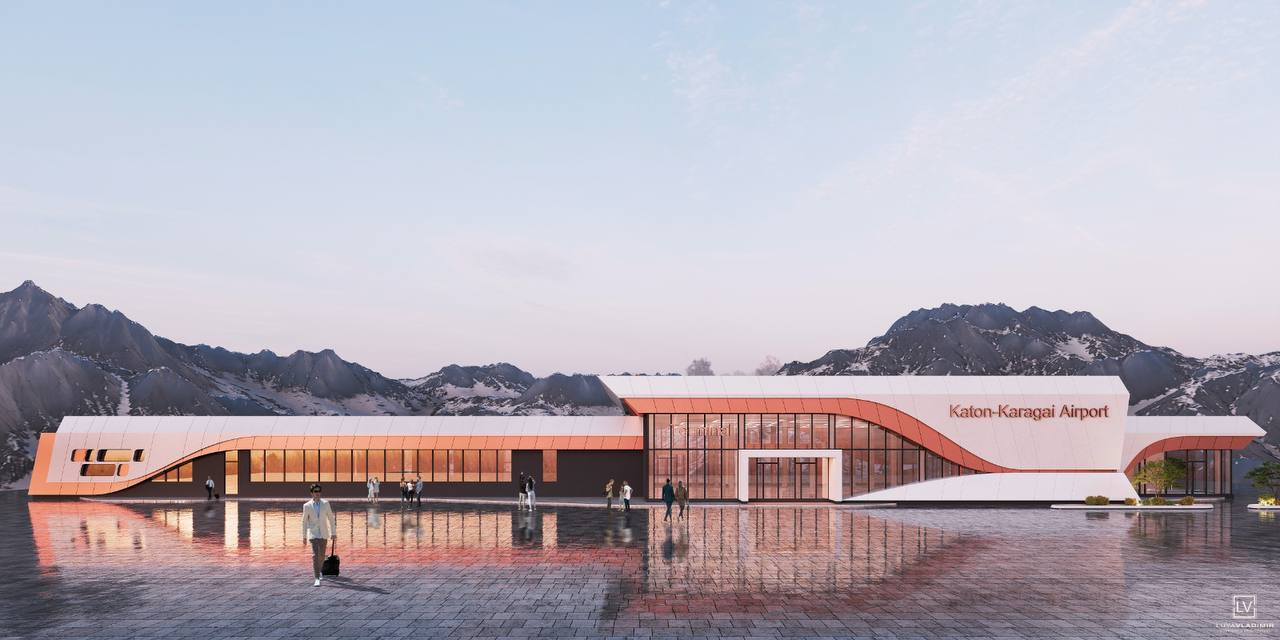
In 2026, Kazakhstan is set to introduce four new airports: Katon-Karagay, Zaysan, Kenderli, and the restored Arkalyk. This is where it gets truly interesting. We are building new locations through which the country will be interpreted through architecture, service, sound, scent, local food, the language of navigation, waiting area design, and small cultural gestures.
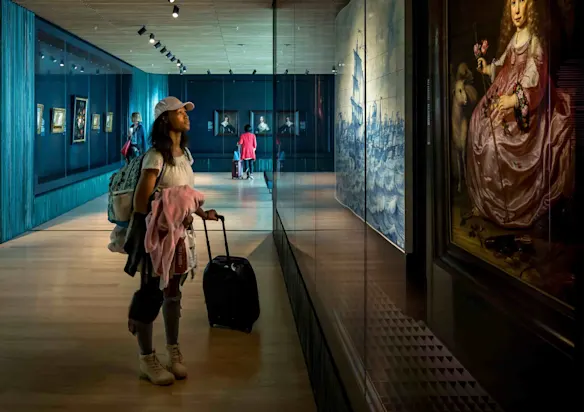
The world has long since learned to manage tourist expectations. In 2002, Amsterdam’s Schiphol became the first airport with an art gallery, and in 2010, it added the world’s first airport library. There, passengers get to know the Netherlands before even entering the city through exhibitions, books, music, and the visual language of Holland Boulevard.
Singapore has gone even further. Changi and Jewel have turned the airport into a destination in its own right. They feature the Butterfly Garden, the world’s first airport butterfly sanctuary with a waterfall and over a thousand butterflies. Jewel hosts the Rain Vortex, Forest Valley, Changi Experience Studio, and a whole range of spaces visited not only by transit passengers. The airport’s official pages include dedicated “Events” and “Plan Your Events” sections, and the Jewel news feed lists flower festivals, Disney100, holiday installations, football screenings, and even wedding formats side by side.
Remember the scene in “The Lion King” where the father tells Simba: remember who you are. Kazakh hospitality could very well become our defining characteristic. Why not set an ambitious goal and become the country with the most thoughtful airport service in Central Asia?

Hospitality lies in the details. It’s about what a person hears immediately upon arrival, what they see around them, what they taste, and how they feel within that space. Music, light, materials, comfortable lounge areas, navigation, interiors, small installations—all of this creates an impression. The eye craves harmony, and the body craves comfort. In recent years, Kazakh gastronomy has become significantly more interesting. If the new airports can bring all of this together, they will become a person’s first true experience of the country.
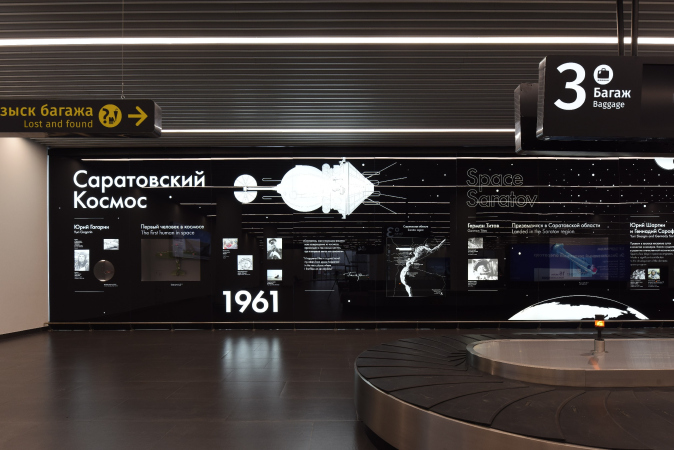
Each new airport can have its own character. Katon-Karagay could be designed as a starting point, the place where the sun rises. Given that the district already has its own design code, this image can be extended into the environment through wood, color, routes, local food, and a sense of closeness to nature. Zaysan could be revealed through its lake, its border status, the vastness of the steppe, and its eastern direction. Kenderli, through the modern language of a Caspian resort. And Arkalyk, through the story of the return itself. Such examples already exist. At Saratov’s “Gagarin” airport, the theme of space is integrated into the terminal itself—from facades echoing a rocket’s hull to the interiors, Gagarin’s capsule, and jet bridges designed as a countdown before takeoff.
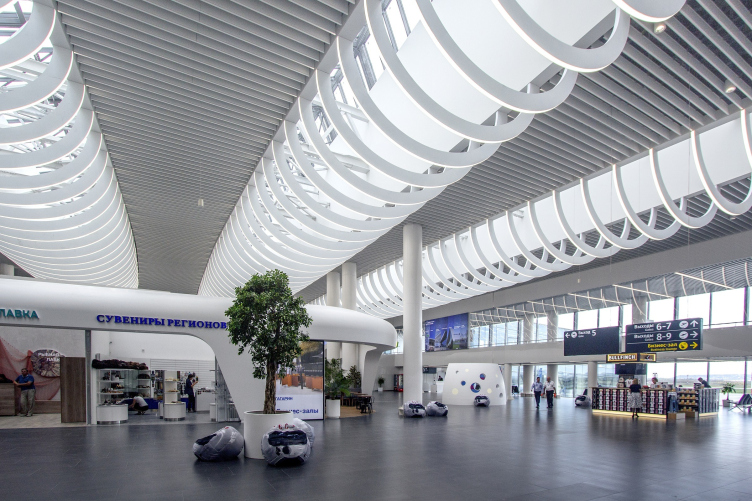
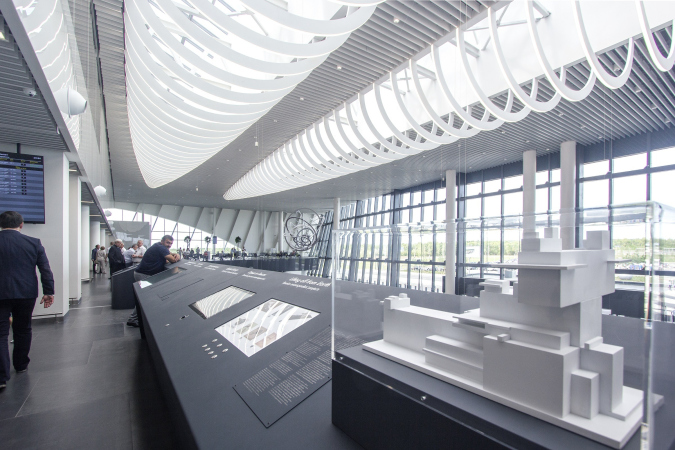
Airports offer Kazakhstan more than just a beautiful picture. They can serve as platforms for temporary exhibitions, gastronomic pop-up formats, seasonal fairs, musical and media installations, business meetings, and urban events.
International airports have long been competing for a place in the tourist’s mind. If a country is serious about strengthening its tourism, transit, and global recognition, it must look specifically at its airports. The Kazakhstan brand is not built through large campaigns alone. The image of the country is assembled from impressions at various points of contact. But the airport has everything at once: architecture, service, food, design, language, digital experience, and culture.
An article by Shakhzada Shogelbayeva
International Brand Strategist
Founder of Teren Agency